



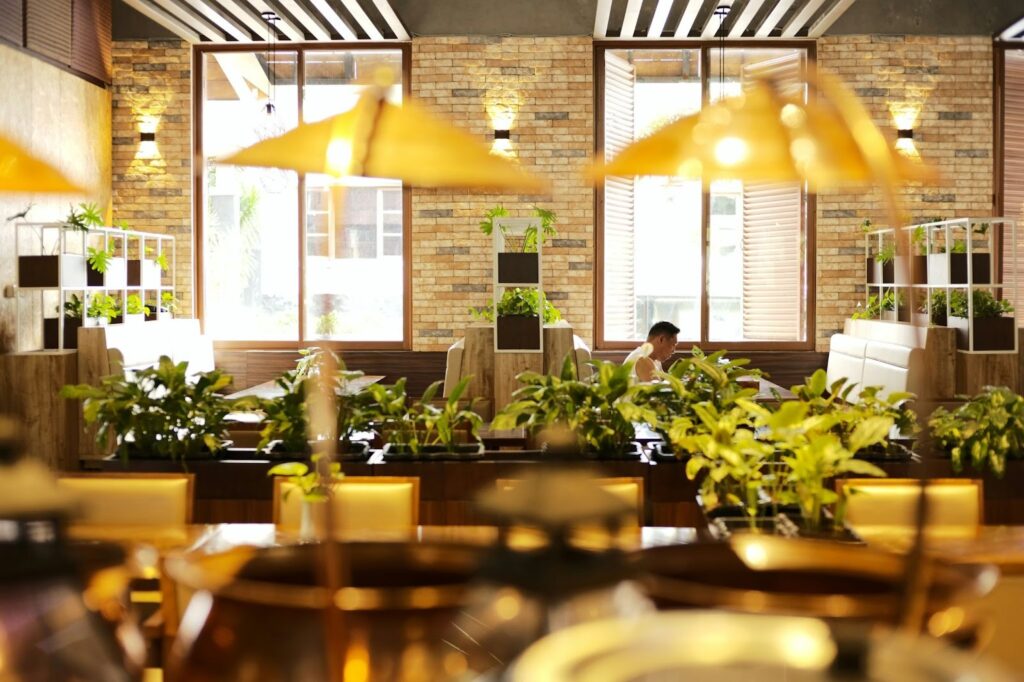
Sustainability isn’t just a buzzword, it’s becoming central to hospitality in 2026. Greener operations are transforming how hotels and restaurants are designed, managed, and experienced. Here are five trends you can’t ignore.
1. Natural and efficient refrigeration
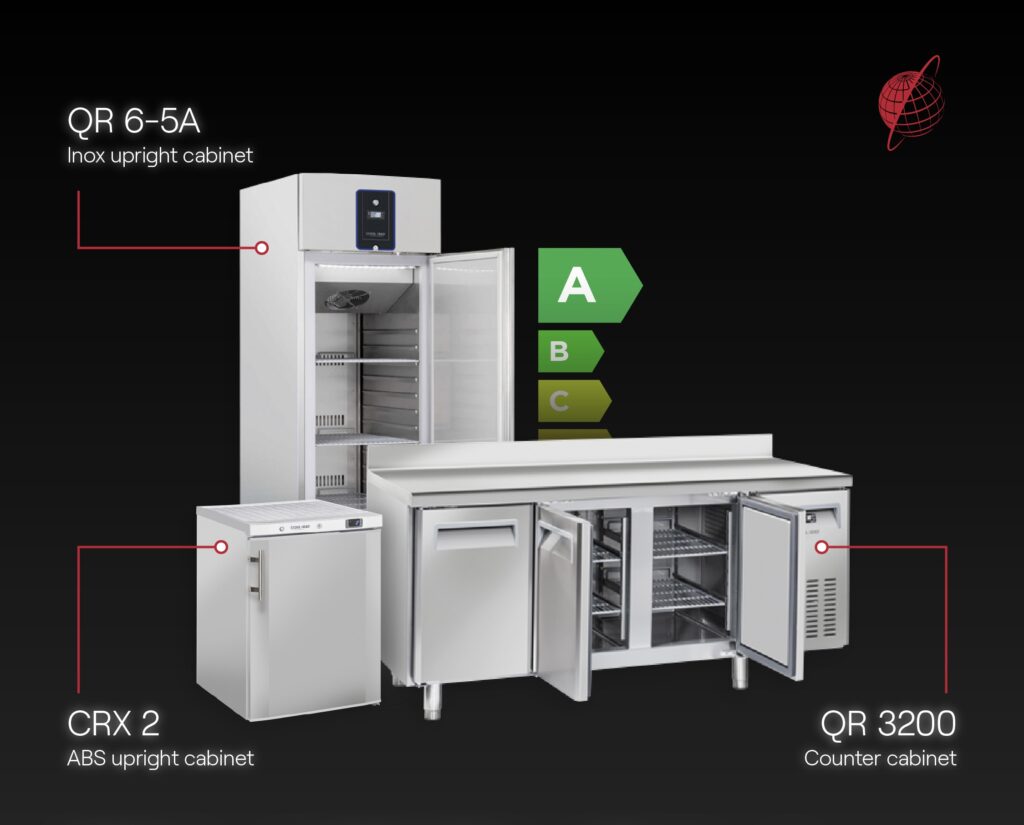
Natural refrigerants and Class A equipment are on the rise, and for good reason. They help kitchens work smarter, not harder, while reducing environmental impact. The benefits are clear:
- Lower energy costs
- Better daily performance
- Longer-lasting equipment
- Less environmental impact
- More consistent results
2. Modular and flexible kitchens
Flexibility is no longer optional, it’s essential. Modular kitchens allow professionals to adapt layouts on the fly, reconfigure stations during peak hours, and expand operations without the need for major renovations, making daily operations smoother and more efficient.
Beyond smart design, it represents a forward-thinking, circular approach to kitchens. Spaces evolve naturally, equipment lasts longer, and businesses remain agile, turning modular kitchens into a sustainable engine for growth in a fast-moving hospitality industry.
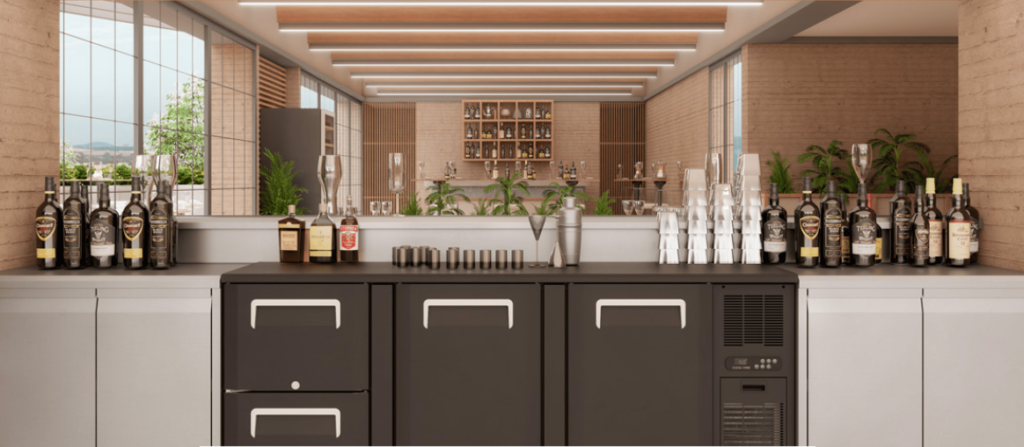
For instance, using refrigeration systems with modular structures and adaptable configurations gives designers greater flexibility to develop spaces that can easily evolve to support multiple uses.
3. Food waste reduction
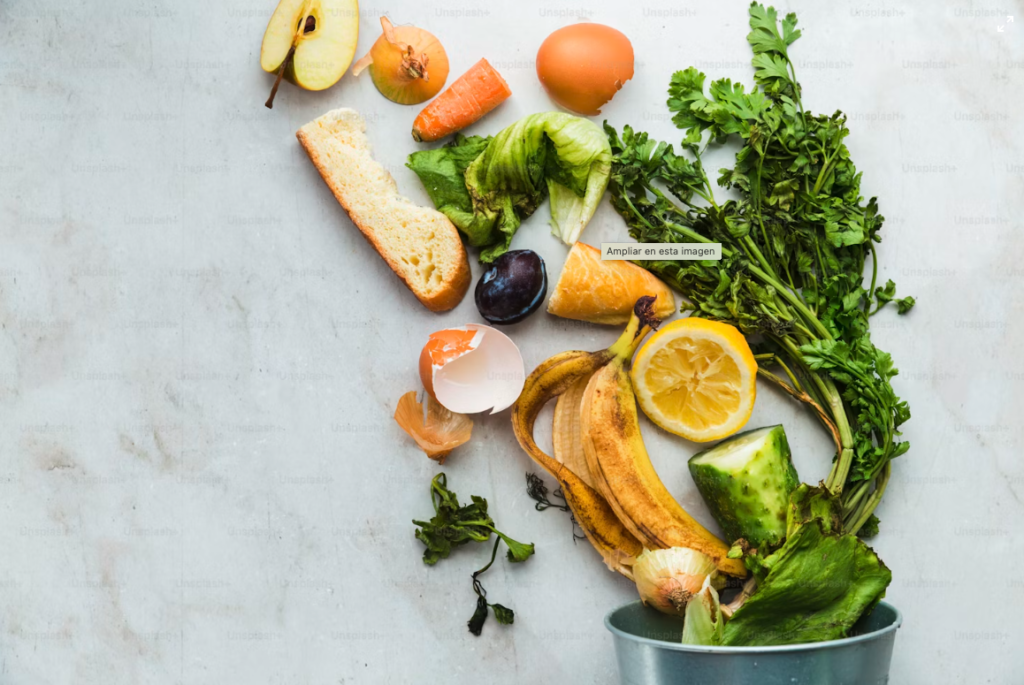
Reducing food waste is one of the most impactful – and measurable – sustainability goals in hospitality. Advanced storage systems and precise temperature control help extend shelf life and prevent unnecessary losses.
The result is a more responsible kitchen that aligns environmental commitment with operational efficiency. For many professionals, waste reduction has become both an ethical imperative and a sign of management excellence.
4. Integration of renewable energy
Renewable energy is no longer an experimental add-on in hospitality operations. Solar installations, geothermal systems and hybrid energy setups are increasingly part of the core infrastructure of hotels and restaurants. Beyond reducing dependence on traditional grids, these solutions give operators more control over energy consumption, greater cost predictability and a clearer sustainability roadmap over the long term.
5. Sustainable materials and design choices
Durability and responsibility now go hand in hand. Recycled steel, eco-friendly insulation, and certified materials are becoming standard in kitchen design and construction.
By prioritising materials with a lower environmental impact, businesses not only reduce waste but also strengthen their brand identity, communicating values of quality, care, and long-term vision to both clients and partners.
This same approach guides our range of Class A refrigeration products, designed to minimise energy consumption while maintaining top performance.