



Summer brings full terraces, packed dining rooms and equipment running harder than at any other time of year. It is also the season where energy, water and food waste tend to spike the most.
With a few practical adjustments, hospitality businesses can stay sustainable and cost-efficient even during peak demand.
Keep refrigeration efficient under pressure
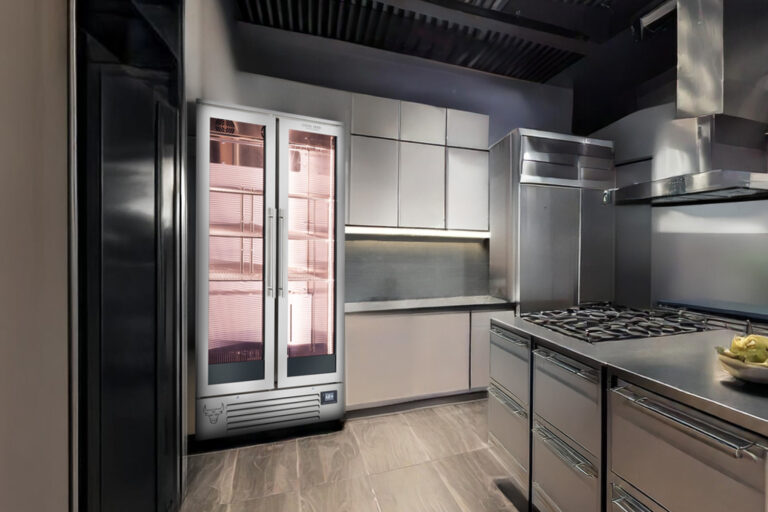
Refrigeration runs around the clock in every kitchen and bar, and summer heat puts extra strain on it. Energy consumption accounts for roughly 60% of a hotel’s carbon footprint and a similar share of utility expenditure, which makes refrigeration one of the highest-impact areas to manage well during the busiest months.
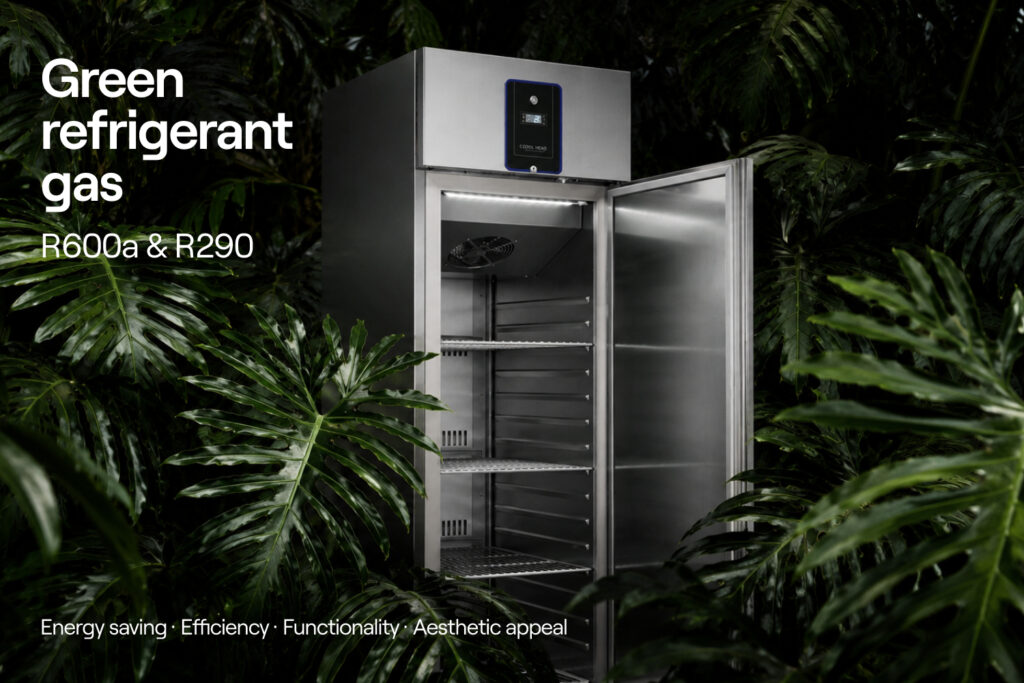
Choosing equipment with natural refrigerants, such as R600a and R290, offers a more environmentally friendly alternative to synthetic refrigerants while also delivering higher energy efficiency, which translates into lower energy consumption and cost savings over time.
Watch water use in the kitchen
Dishwashers are often responsible for the largest share of water use in commercial kitchens, and that pressure only grows with summer demand. Hotels can reduce water waste with simple upgrades such as water-saving fixtures, reduced shower pressure and leak-detection systems, all of which become even more important when kitchens and bathrooms are running at full capacity.
Efficient equipment, such as low-consumption dishwashers and properly maintained refrigeration systems, can also help reduce both water and energy consumption during periods of peak demand.
Reduce food waste during high turnover
Food waste tends to increase during summer as menus shift toward fresher and more perishable ingredients. Giving away surplus food, composting waste and managing portion sizes all help reduce food waste, but proper storage also plays an important role.
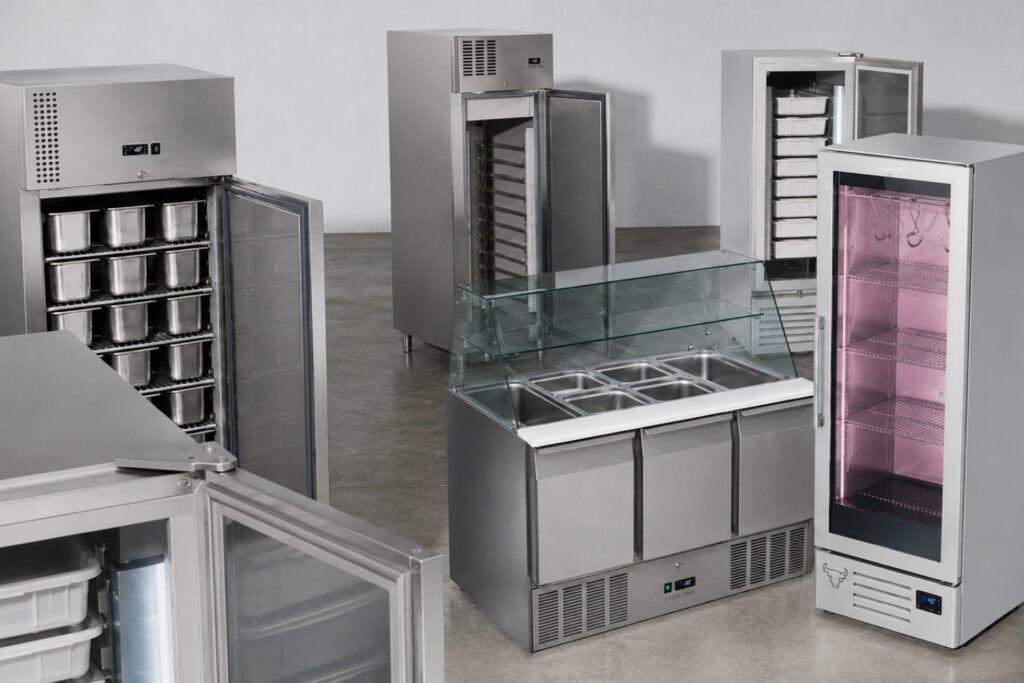
Different products require different conditions. That’s why having dedicated refrigeration designed for each specific need, whether for beverages, bakery products, fresh ingredients or prepared foods, helps extend shelf life, minimise unnecessary waste and keep products in optimal condition.
Make energy efficiency part of daily operations, not just equipment
Hotels that prioritize sustainability can reduce operating costs by up to 30%, with savings coming from reduced waste, lower energy costs and water conservation. Simple habits, like adjusting cooling settings during off-peak hours or fixing leaks quickly, add up significantly when equipment is already working harder in summer.
Keep the experience visible, not the effort
Guests notice the basic things they interact with daily, such as refillable toiletries, recycling bins and energy-efficient lighting, because these are the touchpoints they engage with throughout their stay. The rest, like efficient refrigeration and water systems, can keep working quietly in the background, supporting a busy summer without ever needing tAo be explained.
The busiest season of the year can also be an opportunity to rethink everyday operations. Managing energy, water and food more efficiently doesn’t only support sustainability goals, it also helps build more resilient hospitality businesses.